Why Is My Moen Kitchen Faucet Leaking?
A Moen kitchen faucet leaking at the spout often needs a cartridge check, while water under the sink may come from a hose or connection. Find the first wet point, shut off the water, and match any replacement part to the faucet model.
On this page (8 sections)
- Where is the Moen kitchen faucet leaking?
- What should you check before buying a repair part?
- Is the Moen 1225 cartridge right for your leak?
- When does a basin wrench help?
- Should you replace the faucet instead?
- What common repair mistakes should you avoid?
- When should you call a plumber?
- Which fix should you choose for a Moen kitchen faucet leak?
A Moen kitchen faucet leaking at the spout, handle, base, or hose needs a location-first check. A spout drip may point to a cartridge or seal, while water under the sink may come from a hose or connection.
Dry the area, find where water first appears, and shut off the supply before taking anything apart.
The right repair depends on the source. A cartridge is useful only when the faucet takes that cartridge and the leak points to an internal problem; a basin wrench helps with access to a mounting nut, not with a leaking hose or seal.
Where is the Moen kitchen faucet leaking?
The first wet spot is more useful than the place where water finally pools. Water can run along a faucet body or hose, so trace it back before buying parts.
Clear the cabinet and dry the faucet, counter, and sink underside. Keep a towel nearby, then run the tap briefly while watching the spout, handle, base, hose, and supply connections.
Is a Moen kitchen faucet leaking from the spout?
A spout that keeps dripping after the handle is off may have a worn cartridge or internal seal. A brief dribble after using a sprayer can be leftover water draining from the head, so watch whether the drip stops on its own.
For a continuing drip, use the steps in how to fix a dripping kitchen faucet. Check the faucet’s model instructions before opening it, since the cartridge type depends on the faucet.
Is water coming from the handle or base?
Moisture around the handle can point to an internal seal or cartridge area. Water at the base may be splashing from the sink, coming from a loose faucet, or traveling down from a leak above.
Dry the area fully, run the faucet, and watch for the first new drop. If the faucet shifts on the counter, follow how to tighten a loose kitchen faucet to check the mounting before treating movement as the cause of the leak.
Is there water under the sink?
A wet cabinet calls for a check of the supply lines, sprayer hose, and their connections. Look above each wet area too, because water can travel down from the faucet or counter.
If water is actively leaking, close the hot and cold shutoff valves. Don’t tighten a wet connection blindly or put force on plastic fittings.
If the source remains unclear, contact a plumber or Moen support.
What should you check before buying a repair part?
Identify the faucet model and the leak source before choosing a cartridge or tool. That simple check can prevent buying a part that does not fit or a wrench that does not address the problem.
Look for the model number on the faucet or in its paperwork. Use Moen support and product information to find instructions and confirm the compatible parts.
For a pull-down faucet, check whether water appears on the hose or at a connection while the sprayer is in use. A weak spray pattern without a leak is a different issue; cleaning the kitchen faucet aerator may help.
Before any repair, turn off both supply valves and open the faucet to relieve pressure. Keep small parts in order as you remove them, and take a photo of the connections if you may need to reconnect hoses.
Is the Moen 1225 cartridge right for your leak?
The Moen 1225 cartridge is a sensible choice when a compatible single-handle faucet has a continuing spout drip, stiff handle, or inconsistent flow. It fits most Moen single-handle kitchen and bathroom faucets, but not Posi-Temp or ExactTemp valves.
Choose this kit if you have confirmed the faucet model and want to handle a cartridge replacement yourself. It comes with the removal aid and installation instructions, which suit a planned repair where you can follow the model-specific steps.
Skip it if you have not identified the faucet, if it uses an excluded valve, or if the leak is clearly at a hose or supply connection. A cartridge will not repair a damaged faucet body or a loose fitting.
Shut off hot and cold water before removing the handle or cartridge. Follow the faucet’s instructions, and stop if the old cartridge resists steady, gentle removal.
Forcing it can damage nearby parts and turn a contained repair into a larger one.
When does a basin wrench help?
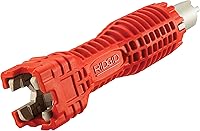
A basin wrench helps when you need to reach a faucet or sink nut in a tight space under the cabinet. It is an access tool, so use it only when the repair actually involves a nut you need to tighten or remove.
Its spring-loaded jaws and pivoting head are useful when a regular wrench cannot reach the nut squarely. Check the nut size first, then seat the jaws on its flat sides before turning.
This wrench suits a DIY repair where the nut is in range and there is room to position the head. Skip it for a hose leak, a cartridge problem above the sink, a nut outside its size range, or a cramped setup where the wrench cannot grip securely.
Turn in small increments and check that the jaws remain engaged. If the tool slips, stop and reposition it instead of adding force.
Be especially careful around supply lines and plastic fittings.
Should you replace the faucet instead?
Consider a replacement faucet when the body is damaged, the correct repair parts are hard to identify, or leaks keep returning. A new faucet is not necessary for every drip, so first rule out a replaceable cartridge or an accessible connection.
The Conneaut suits someone choosing a single-handle pull-down faucet with a Spot Resist Stainless finish, Reflex spray-head retraction, and Power Clean spray. Its deck plate allows countertop installation on a 3-hole mount, and the included flexible supply lines have 3/8 in compression fittings.
Skip this option if you only need to repair a compatible cartridge or hose, or if its pull-down design and finish do not suit your kitchen. Before choosing a replacement, compare the faucet’s mounting holes, deck space, and connections with how to install a kitchen faucet.
What common repair mistakes should you avoid?
The most common mistake is replacing a part before confirming both the leak source and faucet model. A spout drip, wet hose, loose mounting nut, and damaged faucet body need different fixes.
Don’t assume every Moen faucet uses a 1225 cartridge. Don’t keep tightening a connection that is already snug, especially if it is plastic, and don’t use a basin wrench on a fitting it cannot grip.
Another mistake is treating every drop after use as an active leak. Dry the faucet and watch it after the water is off; a short drain-down can stop, while a continuing drip needs a closer check.
When should you call a plumber?
Call a plumber if you can’t locate the leak, a shutoff valve won’t close, or water is damaging the cabinet. Get help as well if a part is stuck, a fitting is damaged, or the repair would require changing a supply line.
Close the shutoff valves if you can do so safely, then check whether water continues to appear. If the valves leak or fail to stop the flow, use the home’s main shutoff if you know its location and can operate it safely.
Which fix should you choose for a Moen kitchen faucet leak?
For a Moen kitchen faucet leaking from the spout, confirm the model and consider a cartridge only when the faucet is compatible. For water under the sink, trace the wet point and choose a hose or connection repair; use a basin wrench only when you need access to a mounting nut.
Choose the 1225 kit for a confirmed compatible cartridge repair, the basin wrench for a reachable nut within its size range, and the Conneaut if you have decided the faucet itself needs replacement. If the source is uncertain or water keeps spreading, stop and get help; for a persistent drip, start with how to fix a dripping kitchen faucet.
Frequently asked questions
Why is my Moen kitchen faucet leaking from the spout?
A leak from the spout when the handle is off can point to a worn cartridge or internal seal. Turn off the faucet's water supplies before inspecting it, and check the faucet's model instructions to identify the correct replacement part.
A faucet that drips only briefly after use may simply be draining.
Why is my Moen faucet leaking under the sink?
Water under the sink can come from a supply connection, a faucet hose, or a leak above that is running down the cabinet. Dry the area, run the faucet briefly, and watch where water first appears.
Shut off the supply valves if a connection or hose is actively leaking.
Can I replace a Moen kitchen faucet cartridge myself?
You may be able to replace it if you can identify the faucet and follow its instructions. Moen's 1225 cartridge is made for most Moen single-handle faucets, with Posi-Temp and ExactTemp models excluded.
Shut off both supplies first, and don't force a cartridge that resists removal.
Should I replace a leaking Moen faucet or repair it?
Repair may make sense when the leak comes from an accessible cartridge, seal, or connection and the faucet is otherwise in good condition. Consider replacement if the faucet body is damaged, parts are hard to identify, or leaks keep returning.
Check the model's support information before choosing parts.